Kenneth J. Almonte

Climate zones shape regional animal diversity by influencing habitats and species distribution in different ecosystems.

How Climate Zones Influence Regional Animal Diversity

Climate zones influence regional animal diversity by controlling the heat, water, seasonal timing, and biological production available to animal communities. These conditions affect which species can survive, reproduce, find food, avoid thermal stress, and complete seasonal life cycles. Climate does not create a fixed fauna boundary, however. Two regions with similar temperatures and rainfall can […]

How Climate Zones Influence Regional Animal Diversity Read More »

Coastal vs inland fauna illustration showing different species and habitat patterns in diverse environments.

Coastal Fauna vs Inland Fauna: Species and Habitat Patterns

Coastal fauna and inland fauna are not separate taxonomic groups. They are animal assemblages shaped by different physical processes. Coastal assemblages are organized mainly by tides, salinity, wave exposure, shoreline substrate, marine productivity, and land–sea transitions. Inland assemblages are organized by freshwater flow, rainfall, vegetation, soil, elevation, temperature, and barriers within the landscape. The clearest

Coastal Fauna vs Inland Fauna: Species and Habitat Patterns Read More »

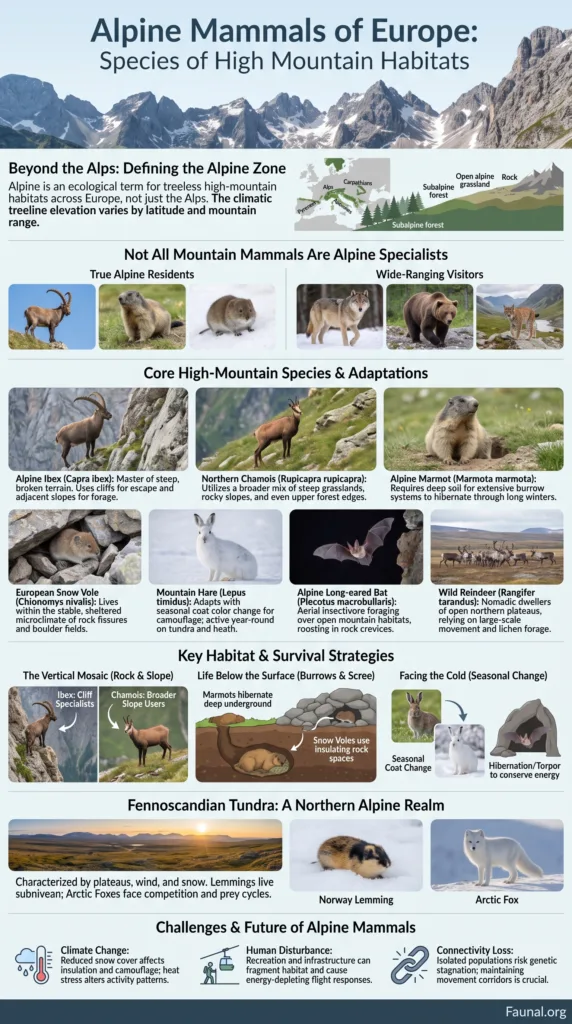
Mountain fauna versus lowland fauna showcase the distinct wildlife adaptations in different terrains.

Mountain Fauna vs Lowland Fauna: Main Differences

Mountain fauna differs from lowland fauna mainly because elevation and rugged terrain compress changes in temperature, air pressure, moisture, vegetation, and season length into short distances. Animals living higher on a mountain more often face cold, reduced oxygen pressure, strong wind, short feeding seasons, and isolated habitat belts. Lowland animals more often live in warmer

Mountain Fauna vs Lowland Fauna: Main Differences Read More »

Islands often host unique fauna due to isolated environments and limited species diversity, making island fauna distinct and special.

Why Islands Often Have Unique Fauna

Islands often have unique fauna because the surrounding water performs two biological roles. It first filters which animals can arrive, then restricts movement and breeding between the animals that establish there and their relatives elsewhere. Over many generations, this combination of selective colonization, reduced gene flow, local environmental pressures, and unoccupied ecological roles can produce

Why Islands Often Have Unique Fauna Read More »

Habitat diversity influences regional fauna distribution, supporting various species across different ecosystems around the world.

How Habitat Diversity Shapes Regional Fauna

Habitat diversity shapes regional fauna by creating different combinations of food, shelter, breeding sites, microclimates and movement routes across a landscape. Its largest regional effect often comes not from making every site equally species-rich, but from allowing forests, wetlands, grasslands, rocky areas, rivers and other habitats to support different animal communities. The replacement of species

How Habitat Diversity Shapes Regional Fauna Read More »

Native, introduced, and invasive animals featured in regional fauna lists showing their roles and classifications.

Native, Introduced, and Invasive Animals in Regional Fauna Lists

In a regional fauna list, native, introduced, and invasive should not be treated as three interchangeable entries in one simple status column. Native and introduced describe a taxon’s relationship to its natural range and the role of human agency. Establishment describes whether a wild population survives and reproduces. Invasive requires a stated rule concerning spread,

Native, Introduced, and Invasive Animals in Regional Fauna Lists Read More »

Regional fauna checklist details the species included and excludes non-native animals for local wildlife monitoring.

Regional Fauna Checklist: What It Includes and What It Does Not

A regional fauna checklist is a source-based list of animal taxa accepted for a defined geographic area under stated taxonomic, temporal, and evidentiary rules. It identifies which names the compiler includes within that scope, but it does not automatically provide complete distribution, current presence at every locality, abundance, population trend, conservation status, or proof that

Regional Fauna Checklist: What It Includes and What It Does Not Read More »

Regional fauna guides are built from species records, providing essential information for identifying and understanding local wildlife.

How Regional Fauna Guides Are Built from Species Records

Regional fauna guides are built by converting individual species records into a reviewed, taxonomically normalized, geographically bounded, and versioned account of animal occurrence. The raw inputs may include museum specimens, field observations, acoustic or camera detections, survey records, and earlier checklists. None enters the final guide solely because a name and coordinate appear in a

How Regional Fauna Guides Are Built from Species Records Read More »

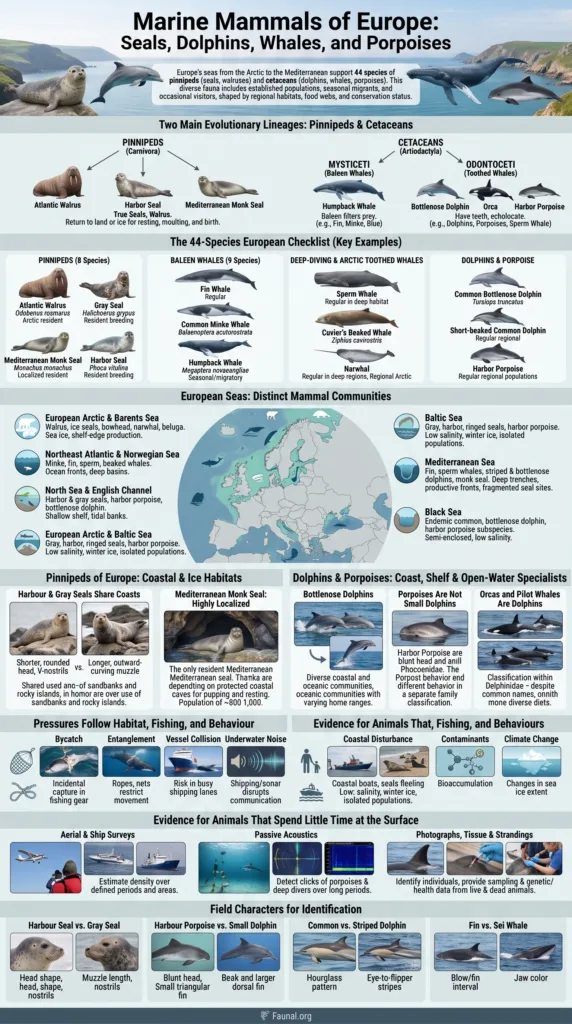
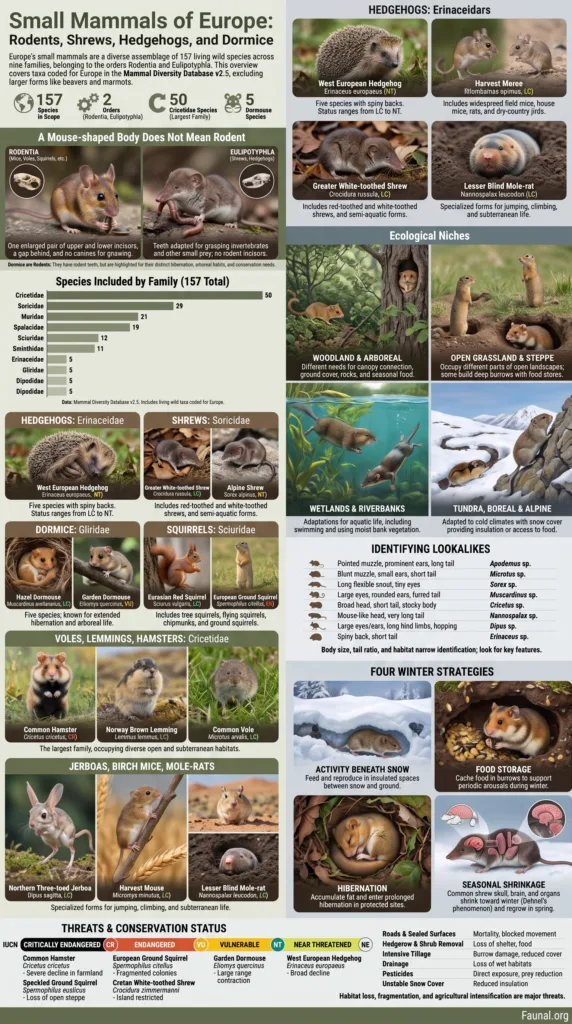
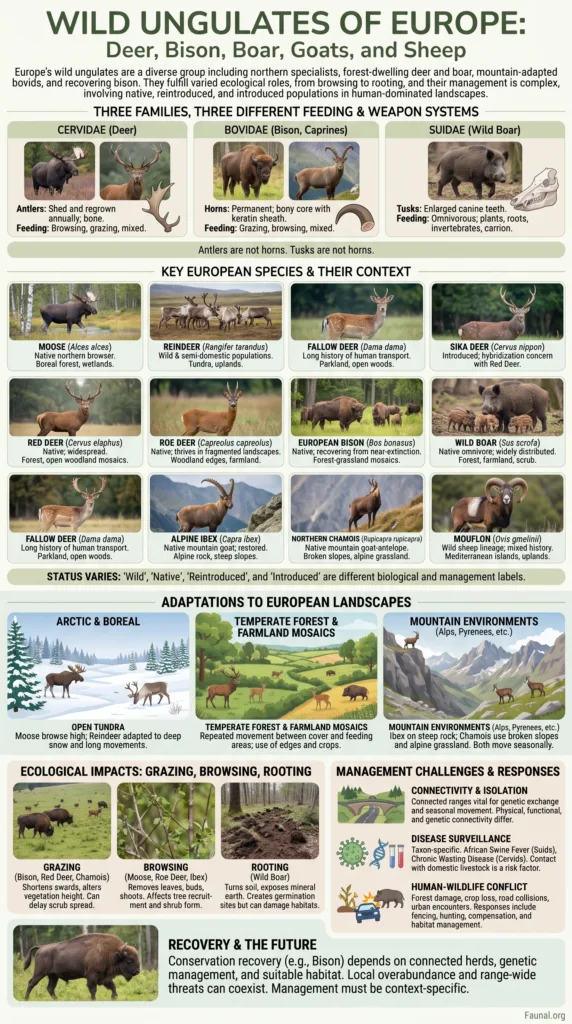
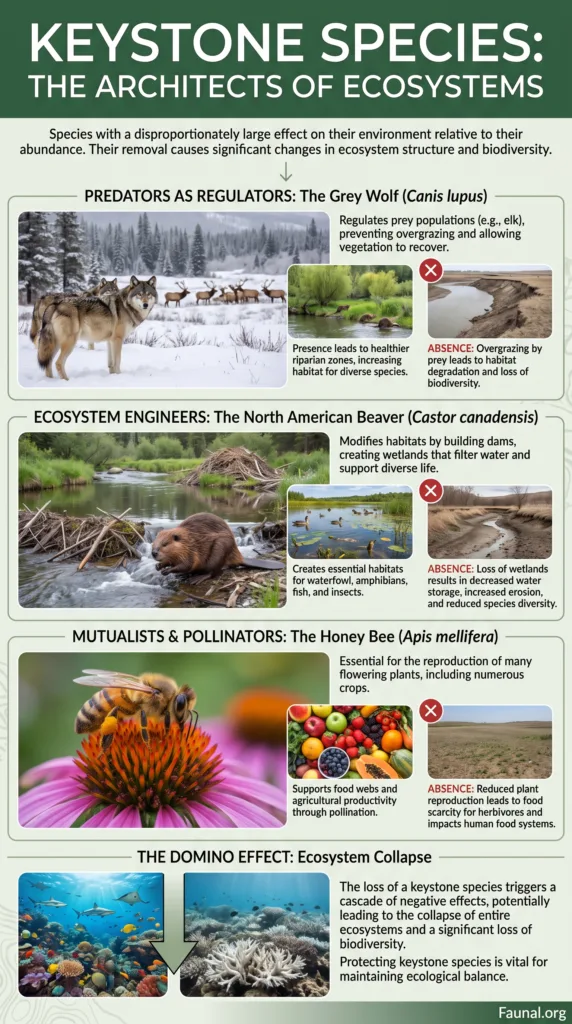
A detailed infographic explaining how scientists classify fauna by region, habitat, and taxonomy for better understanding and research.

How Scientists Classify Fauna by Region, Habitat, and Taxonomy

Scientists classify fauna along three separate but connected axes: the taxonomic identity of the animals, the geographic area in which they are recorded, and the habitats or ecological settings they use. These axes answer different questions. Taxonomy identifies the organism and its biological relationships; regional classification defines the spatial boundary of the fauna; habitat classification

How Scientists Classify Fauna by Region, Habitat, and Taxonomy Read More »

Urban fauna explained with city animals like birds and urban foxes thriving in city environments.

Urban Fauna Explained: Animals Living in Cities

[a] Urban refugia sheltering biodiversity across world cities — Used for the range of urban habitat types reported as biodiversity refuges and the uneven research coverage among taxa and habitats. [b] Categorizing wildlife responses Urban fauna is the community of wild, introduced and free-ranging animals that uses a city for food, shelter, movement, breeding or

Urban Fauna Explained: Animals Living in Cities Read More »